
Winter in Orangeville and across Dufferin and Simcoe Counties brings stunning snow-covered landscapes, but it also creates serious challenges for your home’s roof. Roof repair becomes critical during the coldest months when ice dams form along your eaves and heavy snow accumulates on your shingles. These winter conditions can cause significant damage to your roofing system, leading to leaks, structural problems, and costly repairs if left unaddressed.
Your roof takes a beating during Canadian winters. Understanding how to spot problems early and knowing when to call for professional roofing service can save you thousands of dollars in damage and protect your family from potential hazards.
Understanding Ice Dams and How They Form
Ice dams are thick ridges of ice that build up along the edges of your roof, preventing melting snow from draining properly. Here’s what happens: heat from your attic warms the roof surface, melting the snow. That water runs down toward the colder eaves and refreezes, creating a dam. As more snow melts, the water backs up behind this ice barrier and can seep under your shingles, leaking into your home.
The damage from ice dams extends beyond just water stains on your ceiling. The trapped moisture can rot your roof decking, ruin insulation, and create conditions for mould growth inside your walls. In Dufferin and Simcoe Counties, where winter temperatures fluctuate frequently, the freeze-thaw cycle makes ice dam formation particularly common.
Poor attic insulation and ventilation are the main culprits behind ice dam problems. When warm air escapes into your attic, it heats the roof unevenly, creating the perfect conditions for ice dams to develop.
Signs You Need Winter Roof Repair
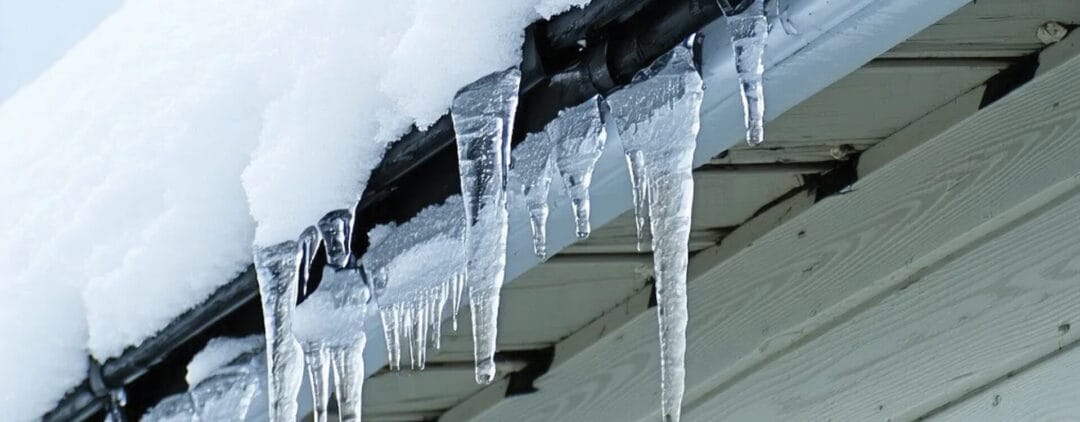
Catching roof damage early can prevent small issues from becoming major emergencies. Icicles hanging from your eaves might look pretty, but they’re often the first warning sign of ice dam formation. If you notice large icicles or ice buildup along your roofline, it’s time to inspect for potential damage.
Look for water stains on your ceilings or walls, especially near exterior walls or in upper-floor rooms. Peeling paint or wallpaper can indicate moisture problems caused by ice dams or snow infiltration. You might also notice sagging areas on your roof or missing shingles after heavy snowfall.
Inside your attic, check for frost buildup on the underside of your roof deck or damp insulation. These signs point to ventilation problems that contribute to ice dam formation and require immediate attention from a roofing professional.
Ice Dam Removal: Safe and Effective Methods
Removing ice dams requires caution because improper techniques can damage your roof or put you at risk of injury. Never use sharp tools like axes, ice picks, or shovels to chip away at ice dams. These methods can tear shingles, puncture your roof membrane, and create even bigger problems than the ice dam itself.
Professional ice dam removal typically involves using low-pressure steam to melt the ice safely without damaging your roofing materials. This method creates channels for water to drain while protecting your shingles and gutters. Some contractors also use calcium chloride ice melt products in fabric tubes laid across the ice dam, though steam removal is generally more effective and safer for your roof.
If you’re dealing with ice dams in Orangeville or the surrounding areas, calling a professional roofing service is your safest bet. The risks of working on an icy roof in winter conditions are substantial, and experienced contractors have the proper equipment and training to handle the job safely.
Preventing Snow Damage to Your Roof
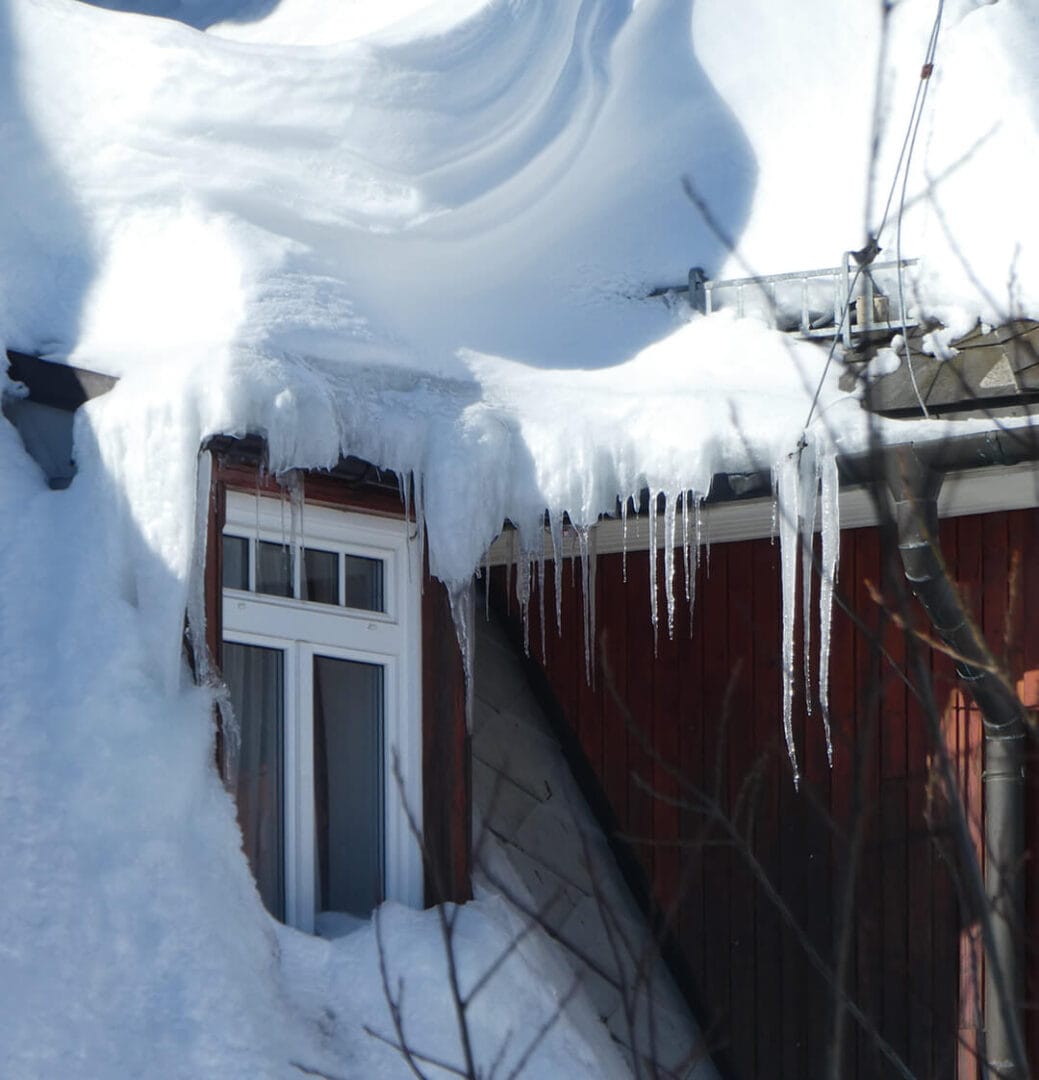
Heavy snow accumulation puts enormous stress on your roof structure. According to the National Research Council of Canada, wet snow can weigh up to 20 pounds per cubic foot, meaning just one foot of wet snow across a typical roof can add several tons of weight.
Regular snow removal from your roof helps prevent structural damage and reduces the conditions that lead to ice dam formation. Use a roof rake with a long handle to pull snow off your roof while standing safely on the ground. Focus on the first three to four feet of snow along your eaves, as this is the critical zone for ice dam prevention.
Pay attention to snow load warnings issued during heavy storms. If you notice your roof sagging, doors sticking, or cracks appearing in your drywall, these could be signs of excessive snow load requiring immediate professional assessment.
The Role of Proper Attic Insulation and Ventilation
Preventing ice dams and winter roof damage starts in your attic. Proper insulation keeps heat inside your living space where it belongs, preventing it from warming your roof deck and melting snow unevenly. Your attic should maintain a temperature close to the outdoor temperature during winter.
Adequate ventilation allows cold air to circulate under your roof deck, keeping temperatures consistent and preventing hot spots that melt snow. Most building codes recommend one square foot of ventilation for every 150 square feet of attic space. This ventilation should be balanced between intake vents at the soffits and exhaust vents near the ridge.
Sealing air leaks between your living space and attic is just as important as adding insulation. Gaps around chimneys, plumbing vents, recessed lights, and attic hatches allow warm air to escape into your attic, contributing to ice dam problems.
Winter Roofing Service in Orangeville
Winter storms don’t wait for convenient times to strike. When you discover a leak or severe ice dam in the middle of a snowstorm, you need roofing service that responds quickly. Look for local contractors who offer emergency repairs (often same day) and can perform temporary fixes to prevent further damage until permanent repairs are possible.
Emergency roof repair might include tarping damaged areas, creating drainage channels through ice dams, or applying temporary sealants to stop active leaks. These interim solutions protect your home until weather conditions allow for proper repairs.
Keep the contact information for a reliable roofing contractor handy throughout winter. When an emergency strikes, you want to reach someone familiar with the specific challenges that homes in Dufferin and Simcoe Counties face during harsh winter weather.
Long-Term Solutions for Winter Roof Protection
Once you’ve addressed immediate damage, consider long-term improvements to protect your roof from future winter problems. Installing heated cable systems along your eaves and in valleys can prevent ice dam formation by keeping these critical areas above freezing. While these systems use electricity, they’re often more cost-effective than repeated ice dam removal and repair work.
Upgrading to ice and water shield membrane under your shingles provides an extra layer of protection against water infiltration. This self-sealing membrane is particularly valuable along eaves, valleys, and around roof penetrations where leaks are most likely to occur.
Regular roof maintenance throughout the year sets you up for success in winter. Fall inspections and repairs ensure your roof enters winter in the best possible condition, with secure shingles, clean gutters, and proper flashing around chimneys and vents.
Protect Your Home with Professional Roof Repair
Your roof is your home’s first line of defense against harsh Canadian winters. Don’t wait until minor ice dam issues or snow damage turn into expensive repairs and interior water damage. Professional roof repair addresses problems quickly and correctly, protecting your investment and giving you peace of mind throughout the winter season.
If you’re experiencing ice dams, noticing signs of roof damage, or want to prepare your roof for the winter ahead, now is the time to act. Getting a quote from an experienced roofing contractor helps you understand your options and costs before problems escalate. Local professionals who understand the specific challenges of winter roofing in Orangeville and surrounding areas can provide the expert service your home needs to stay safe and dry all season long.