
Ice Dams and Roof Snow Shovelling
Synergy Exteriors provides roof snow shovelling services and expert guidance to help homeowners protect their roofs throughout the winter season.
What Homeowners Need to Know This Winter
Winter in Ontario can be hard on your roof. Heavy snow, fluctuating temperatures, and freeze thaw cycles create the perfect conditions for ice dams to form. Left untreated, ice dams can cause serious damage to your roof system and the interior of your home.
Synergy Exteriors provides roof snow shovelling services and expert guidance to help homeowners protect their roofs throughout the winter season.
What Is an Ice Dam?
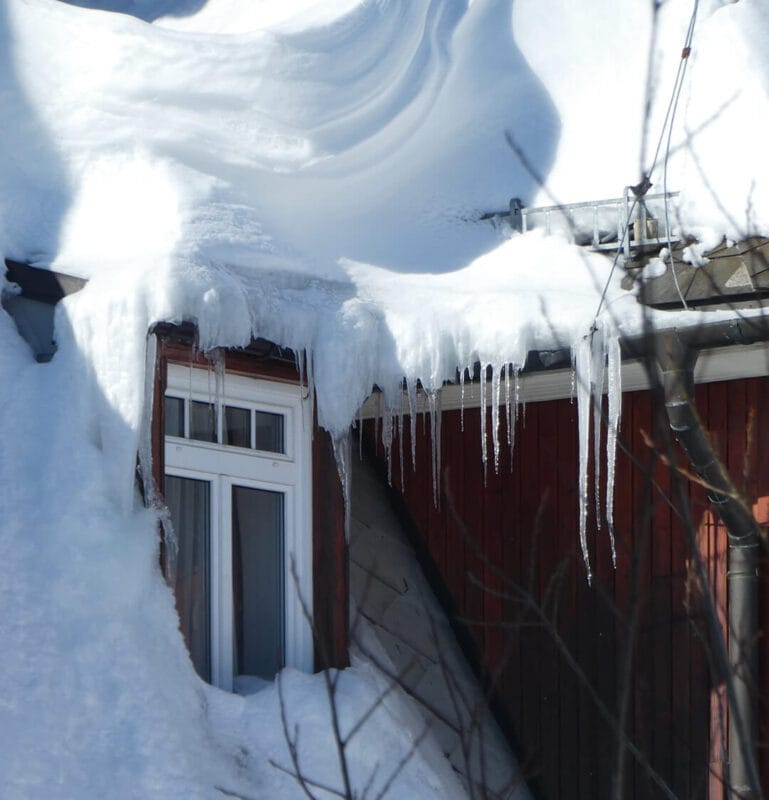
An ice dam forms when snow on a roof melts and then refreezes along the colder roof edge or eaves. This creates a ridge of ice that blocks melting snow from draining properly. As water backs up behind the ice, it can work its way under shingles and into the roof structure.
Once water penetrates the roofing system, it can damage insulation, ceilings, walls, and framing. Over time, this moisture can also lead to mold growth and costly repairs.
Ice dams are most common when warm air escapes into the attic, warming the roof surface unevenly. The snow melts higher up the roof, flows downward, then refreezes at the colder edges. Homes with poor attic insulation, inadequate ventilation, or air leaks are especially vulnerable.
Why Ice Dams Are a Problem
Ice dams are not just an exterior issue. When water cannot drain properly, it can:
Preventing ice dams is far easier and more affordable than repairing the damage they can cause.
How to Help Prevent Ice Dams
1. Remove Excess Snow From the Roof
One of the most effective ways to reduce the risk of ice dams is removing snow buildup after major storms. Clearing snow from the lower portion of the roof helps prevent ice from forming along the eaves.
Roof snow shovelling also reduces excess weight on your roof. Heavy, wet snow can place significant stress on roof structures, especially on older homes.
As a general guideline, if your roof has more than a foot of dense or compacted snow, removal should be considered. This is especially important during prolonged cold periods followed by warmer days.
For safety reasons, snow removal should be handled carefully. Improper techniques can damage shingles or create fall hazards.
2. Keep Gutters and Downspouts Clear
Blocked gutters can worsen ice dam formation. When water cannot drain freely, it can freeze at the roof edge and contribute to ice buildup.
Before winter begins and periodically throughout the season, gutters should be checked to ensure they are clear of leaves, debris, and ice. Gutters should also be securely fastened and sloped correctly so water is directed away from the home.
Signs You May Have an Ice Dam
Large or persistent icicles hanging from the eaves are often a warning sign. While icicles alone do not always mean an ice dam is present, they usually indicate melting and refreezing is occurring.
Icicles can also pose a safety risk if they fall unexpectedly. Caution should always be used around roof edges during winter.
Water stains on ceilings or walls, damp insulation in the attic, or visible moisture on upper floors may indicate water intrusion caused by ice damming.
Because damage can progress slowly and out of sight, these areas should be checked regularly during winter.
Long Term Solutions to Reduce Ice Dam Risk
Improve Attic Insulation
Proper attic insulation helps keep heat inside your home where it belongs. When less heat escapes into the attic, the roof surface stays colder and snow melts more evenly.
Common problem areas include attic hatches, chimneys, plumbing penetrations, and exterior wall tops. Sealing these areas can significantly reduce heat loss.
Ensure Proper Attic Ventilation
Ventilation works hand in hand with insulation. A well ventilated attic allows cold air to circulate, keeping the roof temperature consistent across its surface.
Balanced intake and exhaust ventilation helps prevent warm spots on the roof that lead to uneven snow melt and refreezing.
If an ice dam is already present, it is best to consult professionals who are trained to address the issue safely. Attempting a do it yourself solution often causes more harm than good.
Other Winter Roof Risks to Watch For
Ice dams are not the only winter concern for homeowners. Additional risks include:
Regular roof checks and proactive maintenance can help prevent small issues from becoming major problems.
Final Winter Roof Tips
Ice dams are not the only winter concern for homeowners. Additional risks include:
Need Help With Winter Roof Protection?
Synergy Exteriors offers professional roof snow shovelling services and expert advice to help homeowners protect their roofs during harsh Ontario winters.
If you are located in Orangeville, Caledon, Fergus, Newmarket, Collingwood, or surrounding areas, contact Synergy Exteriors to discuss winter roof safety and preventative solutions.