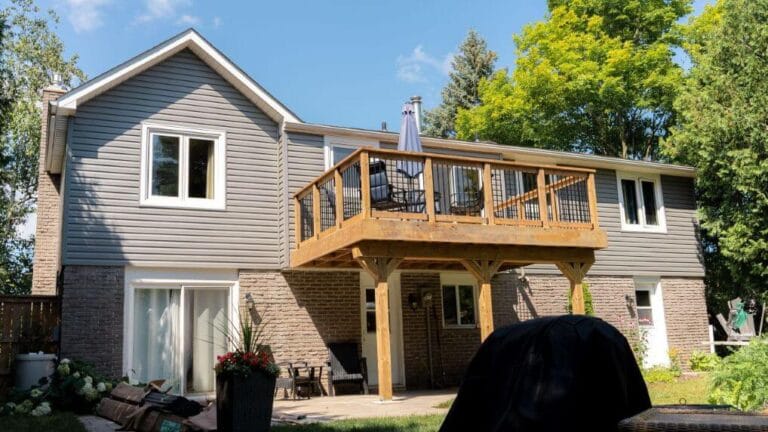
Your roof does a great job keeping rain and snow out of your house. But once that water hits the roofline, it needs somewhere to go. That’s where eavestroughing comes in. A properly installed gutter system is one of the most overlooked parts of home protection, yet it plays a direct role in keeping your foundation, siding, and landscaping in good shape for years to come.
If you’ve never thought much about your eavestroughs beyond cleaning out leaves twice a year, this guide will walk you through what they actually do, why installation quality matters so much, and what can go wrong when it’s done poorly.
What Is Eavestroughing, Exactly?
Eavestroughing (often just called gutters) is the channel system that runs along the edge of your roofline. It catches rainwater and snowmelt as it comes off the shingles, then routes it through downspouts and away from your home. Without this system, water would pour straight off the roof edge and pool right next to your foundation with every rainfall.
Gutter systems for homes aren’t one-size-fits-all. The right size, slope, and material depend on your roof’s pitch, your home’s square footage, and how much rain and snow your area typically sees. A gutter that’s too small or poorly sloped will overflow long before it reaches capacity, which defeats the purpose entirely.
How Eavestrough and Downspouts Work Together
Eavestroughs alone don’t do much good without properly placed downspouts. Think of your eavestrough as the collection system and your downspout as the delivery system. Water gathers in the trough, flows toward the low point, and exits through the downspout, ideally landing well away from your foundation walls.
A common installation mistake is spacing downspouts too far apart or sizing them too small for the roof area they’re draining. When that happens, water backs up in the trough during heavy rain and spills over the front edge instead of draining properly, right where you don’t want it: along your fascia and siding.
Fascia and Eavestrough: A Partnership, Not Just a Pairing
Your fascia board is the trim that runs along the roofline, and it’s what your eavestrough actually attaches to. If the fascia is damaged, rotting, or not properly sealed before installation, even a well-built gutter system won’t hold up. Water can seep behind the trough, work its way into the fascia board, and eventually cause rot that spreads toward the roof deck.
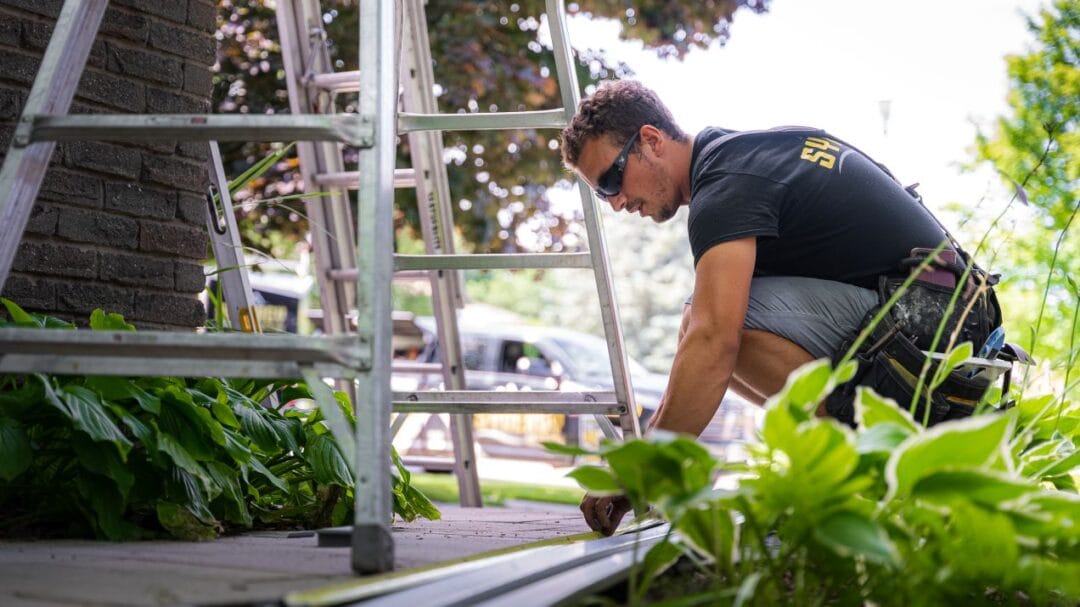
This is one of the biggest reasons professional installation matters. A qualified installer checks the condition of your fascia before mounting anything, rather than simply attaching new eavestroughs to whatever is already there. If your fascia shows signs of wear, addressing it during installation saves you from repeat repairs down the road. If you’re already noticing sagging or pulling away from the roofline, our post on signs your eavestrough may need replacing can help you figure out if it’s time for an upgrade rather than a repair.
What Happens When Roof Eavestrough Installation Goes Wrong
Poorly installed eavestroughing tends to cause problems that show up slowly, which makes them easy to miss until the damage adds up. Some of the most common issues include:
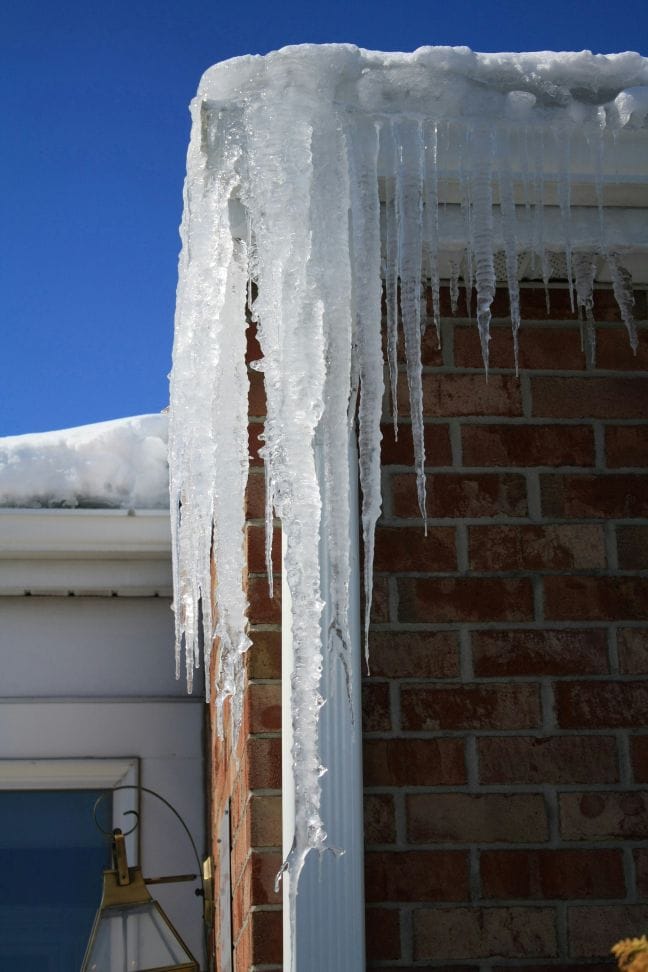
- Improper slope. Gutters need a slight pitch toward the downspout. Without it, water pools and sits, leading to rust, sagging, and ice buildup in colder months.
- Loose or missing hangers. If the eavestrough isn’t securely fastened at consistent intervals, it can pull away from the fascia under the weight of heavy rain or snow.
- Overflow and foundation damage. When water isn’t properly channelled away from the home, it can saturate the soil around your foundation, which over time contributes to cracking and basement moisture. If you’re dealing with water spilling over during storms, we’ve covered what to do when your eavestrough is overflowing in more detail.
None of these issues are dramatic on their own. But they compound. A small overflow problem this year can turn into fascia rot next year and foundation repairs the year after.
Why Professional Gutter Installation Makes the Difference
Eavestroughing looks straightforward from the ground, but getting the slope, sizing, and fastening right takes experience. At Synergy Exteriors, our eavestrough installation services for Simcoe and Dufferin counties are built around getting these details right the first time, so your gutter system actually performs the way it’s supposed to during Ontario’s heavy spring rains and winter freeze-thaw cycles.
Reducing Maintenance Long-Term
Even a perfectly installed gutter system needs occasional attention, especially if your property has nearby trees. If you’re tired of climbing a ladder every fall, Alu-Rex gutter guards are worth considering alongside a new installation. They keep debris out of the trough so water keeps flowing freely, which cuts down on cleaning and reduces the risk of overflow-related damage.
For homeowners who want to stay ahead of exterior upkeep altogether, our home exterior maintenance plans bundle eavestrough checks with other seasonal maintenance tasks, so nothing slips through the cracks.
Getting the slope and sizing right isn’t just a best practice, it’s part of what home inspectors check when a house changes hands. According to InterNACHI’s guidance on gutters and downspouts, gutters should slope toward the downspout at a rate of about 1/16 inch per foot, and downspouts should carry water at least 4 to 6 feet away from the foundation. It’s a good illustration of how much precision goes into a system that looks simple from the ground.
Ready for a Gutter System Built to Last?
Proper eavestroughing isn’t just about keeping water out of your basement. It protects your fascia, your siding, your landscaping, and your foundation, all at once. If your current system is showing signs of wear, or you’re building new and want it done right from the start, our team serves homeowners across Orangeville, Fergus, and Newmarket. Reach out today to talk about what your home needs.