Your windows work quietly in the background of your home every day. You barely notice them until something feels off. Maybe a room is colder than it should be, or the glass looks cloudy no matter how many times you clean it. Knowing when to replace windows starts with recognizing these signs of bad windows early, which can save you money on energy bills and prevent bigger problems down the road.
This guide walks through the most common warning signs, how long windows typically last, and what to do once you have made the decision.
How Long Do Windows Last?
Most homeowners do not think about their windows until they start causing problems, but windows do have a shelf life. How long windows last depends heavily on the material, installation quality, and how much wear they take from Ontario’s weather swings.
So how long do vinyl windows last? Vinyl windows are generally expected to last 20 to 25 years when properly installed, with higher-end products lasting up to 40 years with proper care. Once your windows are approaching or past that range, it is worth having them assessed even if they still look fine from the outside.
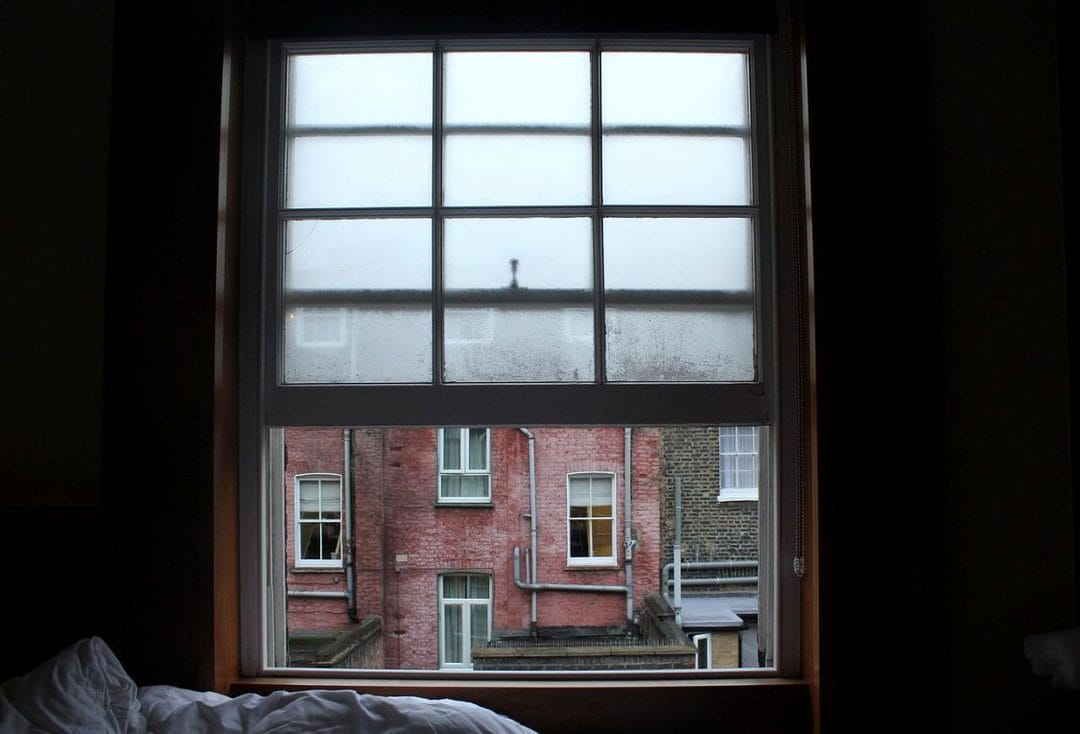
Condensation Between Window Panes: What It Means
A bit of condensation on the inside of your glass on a cold morning is normal. Condensation between window panes is different, and it is one of the clearest signs that a window has reached the end of its useful life.
According to Natural Resources Canada, this type of condensation forms when the seal on a double or triple pane window has broken, allowing moisture to get trapped between the layers of glass. Once that seal fails, the insulating gas between the panes escapes too, which means the window is no longer performing the way it should. Cleaning will not fix this. The only real solution is replacing the glass unit or the window itself.
Windows Letting in Cold Air
If you can feel a draft near your windows even when they are fully closed, that is a sign the window is no longer sealing properly. Windows letting in cold air usually points to one of a few issues: worn weatherstripping, a warped frame, or a window that was not installed correctly in the first place.
This is more than just an uncomfortable spot to sit near in January. Drafty windows force your furnace to work harder, which shows up as higher heating bills every winter. If you have noticed certain rooms are harder to keep warm, your windows are a good place to start looking.
Windows That Are Hard to Open, Close, or Lock
If a window sticks, refuses to stay open on its own, or will not latch properly, that is more than an annoyance. Warped frames, swollen wood, or worn hardware can all make a window difficult to operate. A window that will not lock securely is also a safety concern, since it gives anyone outside easy access to your home.
Visible Damage to the Frame or Sill
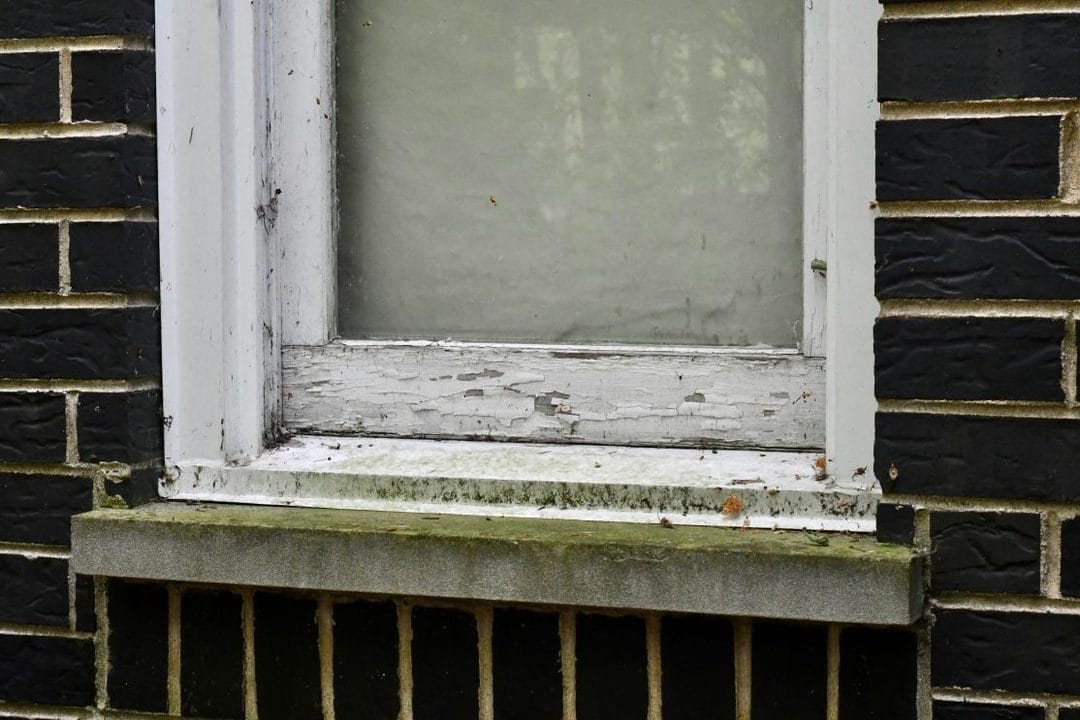
Take a close look at the frame and sill, not just the glass. Cracking, rotting, warping, or discoloration on the frame are signs of underlying damage, often caused by water getting in where it should not be. This is especially common with older wood windows, but vinyl frames can develop the same issues if moisture has been finding its way in over time.
Increased Outside Noise
If street noise, traffic, or neighbourhood sounds seem louder than they used to be, your windows may be part of the reason. As seals degrade and glazing wears down, windows lose some of their ability to block outside noise. A noticeable jump in outside noise, especially paired with drafts or condensation, is a sign your windows are not performing the way they once did.
When to Replace Windows: Making the Call
Not every issue means you need brand new windows right away. Minor drafts can sometimes be fixed with new weatherstripping or caulking. But if you are noticing more than one of these signs, especially condensation between the panes or windows nearing that 20 to 25 year mark, replacement is usually the more practical and cost-effective choice in the long run.
A quick way to decide: ask yourself if your windows are costing you more in energy bills, comfort, and maintenance than a replacement would cost upfront. For most homeowners dealing with foggy glass or persistent drafts, the answer is yes.
Our team has helped homeowners across Orangeville, Bolton, Shelburne, and Newmarket assess and replace aging windows, including in Caledon and Fergus, where older housing stock means these issues come up often. You can see the full list of areas we serve on our service areas page.
If you are seeing any of the signs above, do not wait for a small problem to become a bigger one. Contact us for a free quote or give us a call to have one of our window specialists take a look.